Sensor fusion
Facility, vehicle, aerial, and identity signals combine into one operating picture.

 荒坂株式会社
Protective autonomy
AP-03Sensor fusion, coordinated response, and human-authorized protection for facilities and mobility corridors.
Product overview
Autonomous Perimeter Systems combine sensing, coordinated machines, route assurance, and named human command. The system is designed to detect, classify, and contain risk while preserving explicit civilian and operational boundaries.
Facility, vehicle, aerial, and identity signals combine into one operating picture.
Autonomous units reposition, escort, and contain under policy-defined limits.
Named operators authorize consequential actions and retain immediate override.
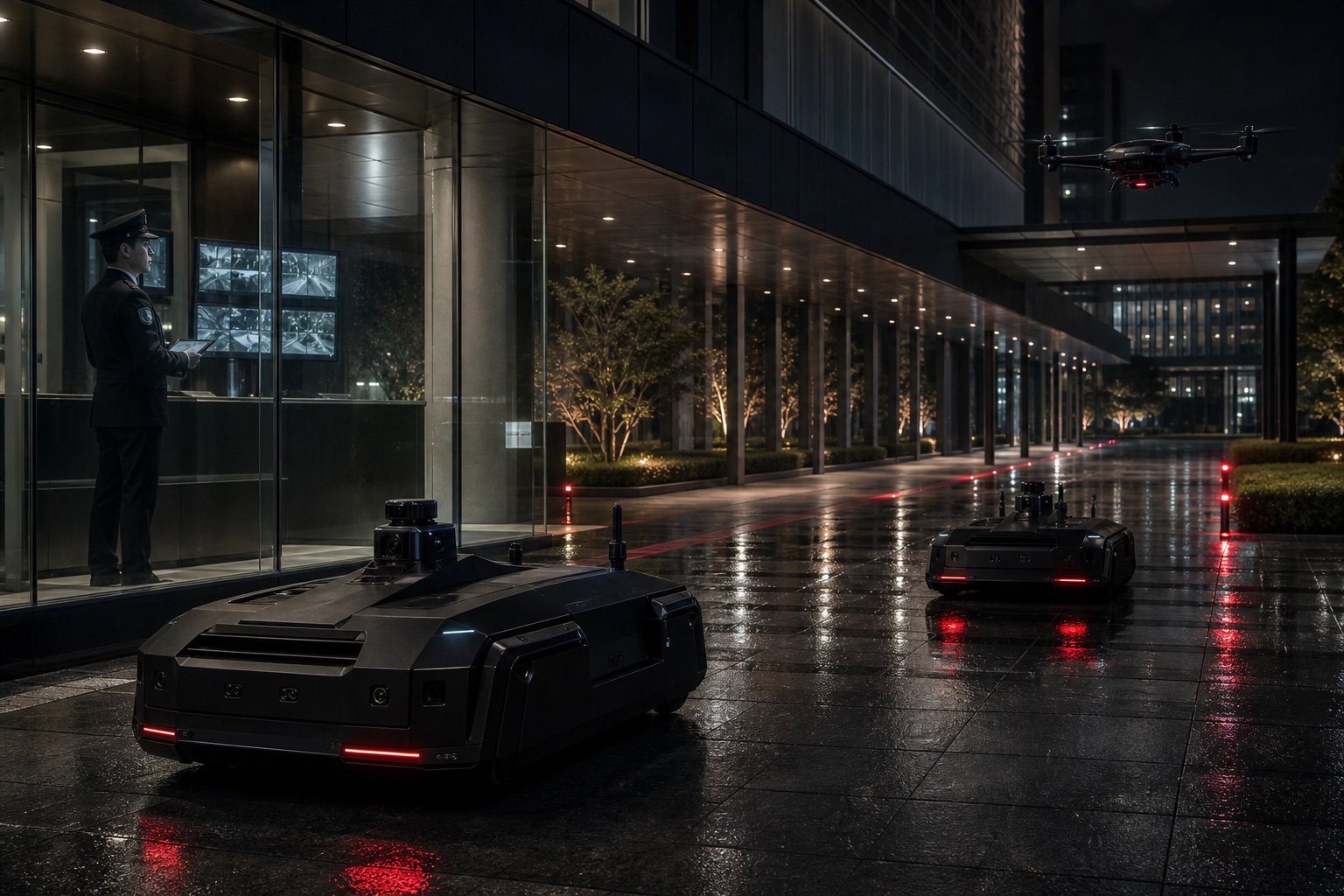
System in operation
Perimeter deployments combine a centimeter-scale site model, distributed sensing, and coordinated ground and aerial units. Named operators retain direct override and authorize every consequential action.
System architecture
Hardware, software, custody, and governance are designed as one product boundary.
Distributed detection and identity context.
Formation, route, and resource planning.
Purpose-built ground and aerial platforms.
Authority, exclusions, and action receipts.
Deployment
Each deployment is modeled around the facility, route, authority structure, and civilian exclusion requirements before any autonomous operation begins.
2–4 weeks
2–3 weeks
4–8 weeks
Quarterly
Assurance
Related products
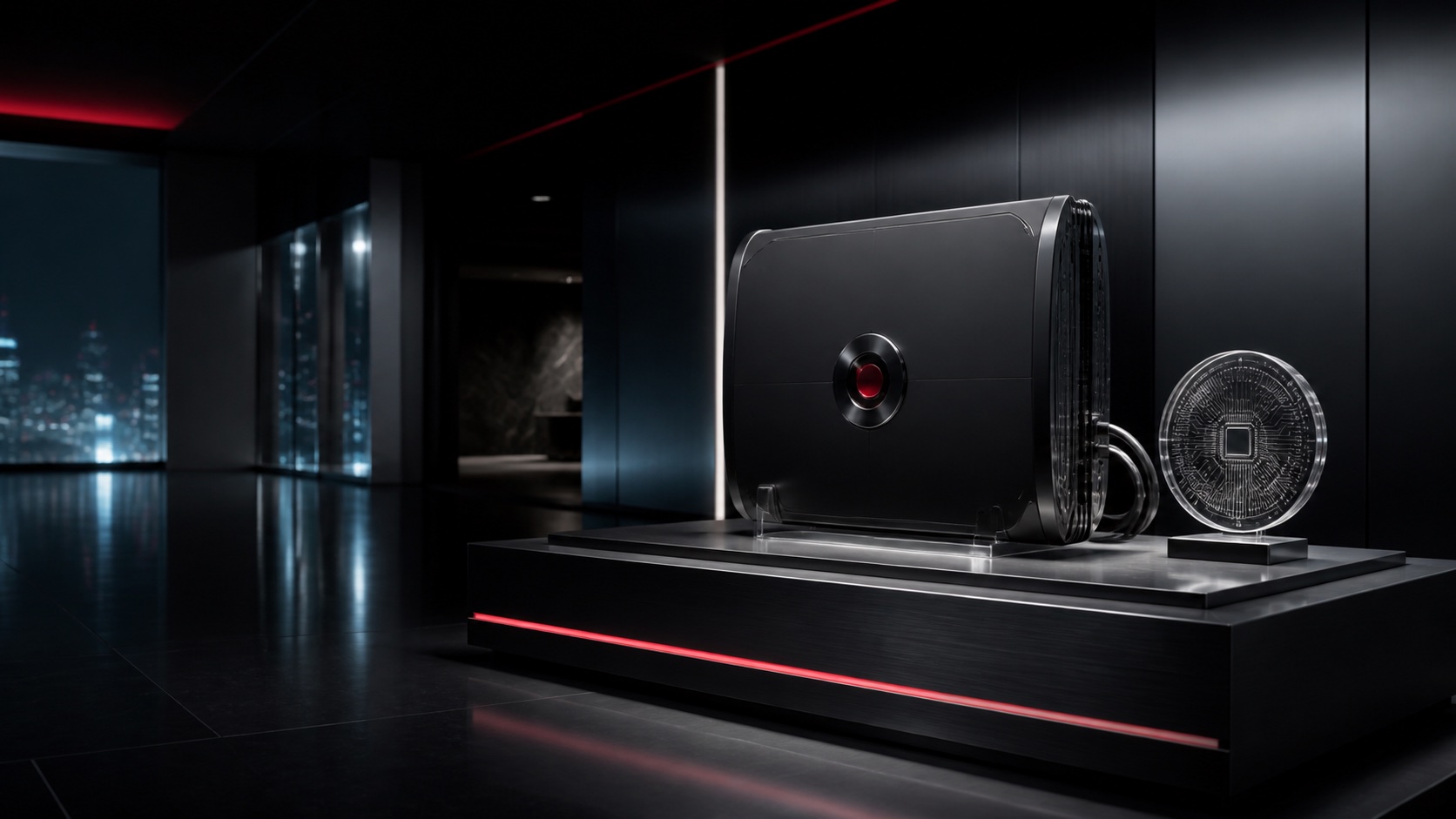
Governed capture, custody, and continuity planning for leadership knowledge and institutional memory.
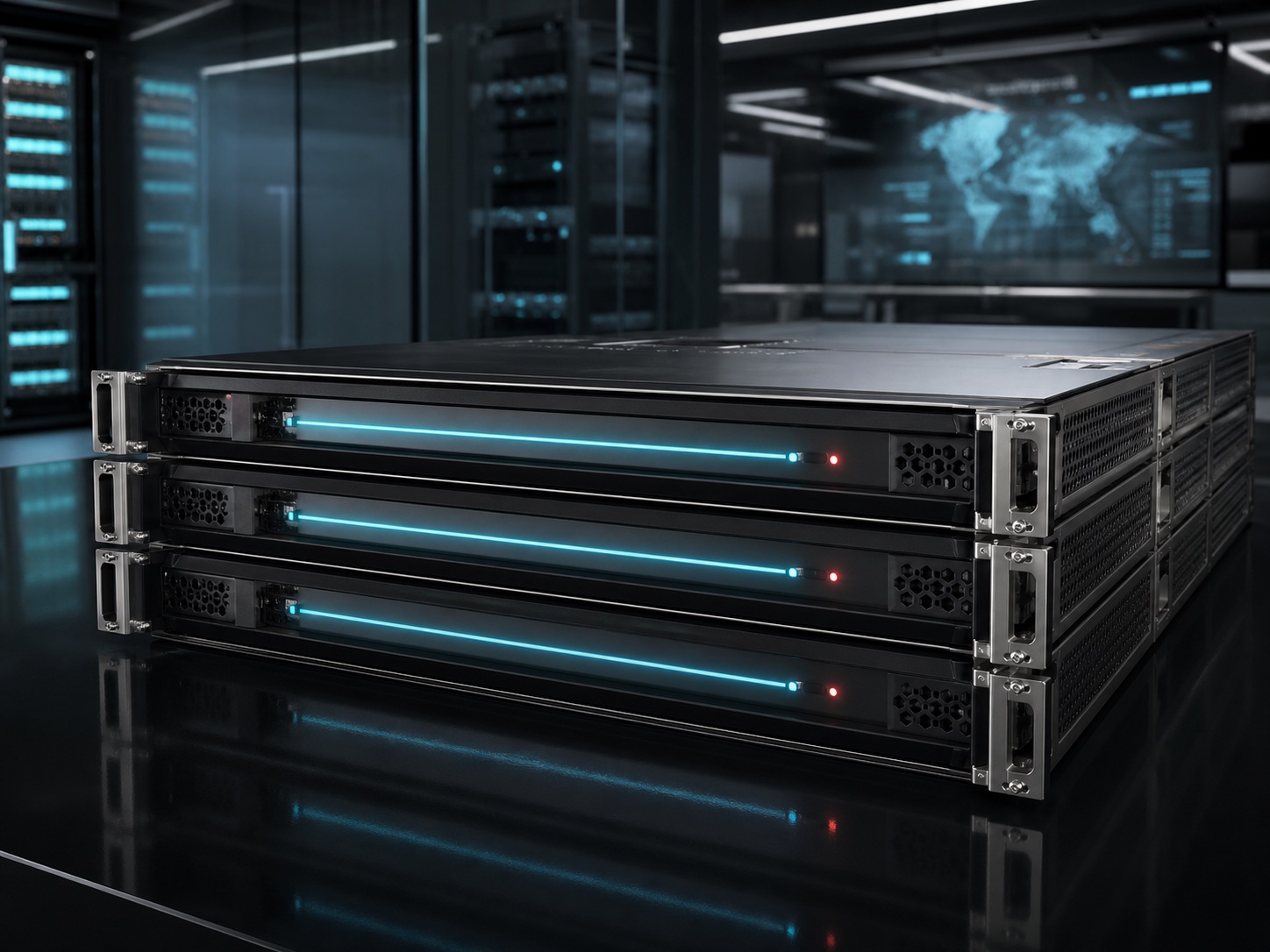
Adaptive network inspection, identity protection, and human-led incident command for critical environments.
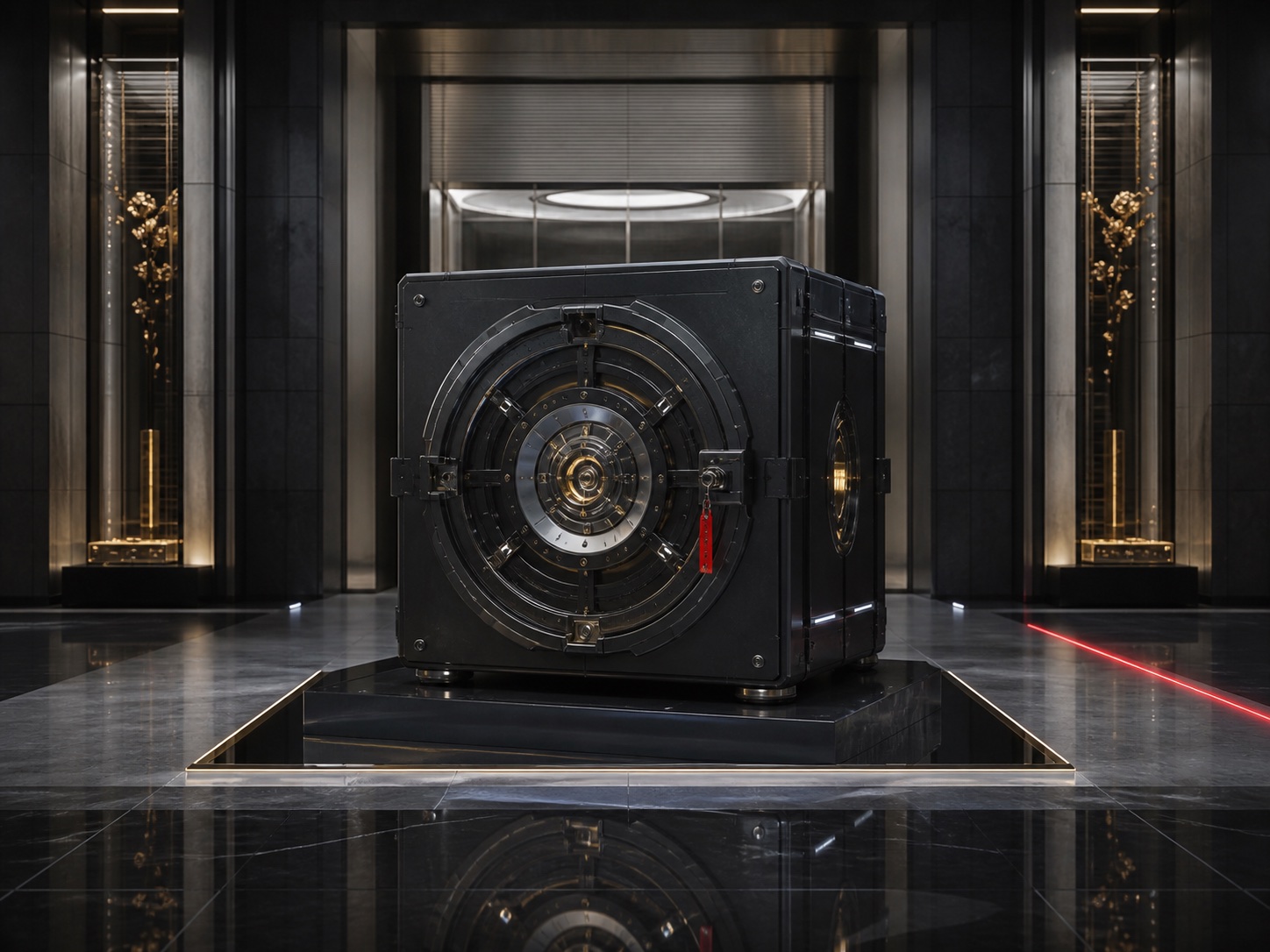
Protected custody and settlement infrastructure for capital, intellectual property, and sovereign counterparties.
Institutional access